i
Diese Präsentation ist für die Ansicht im Querformat gestaltet.

Disclaimer: Following video contains pictures reminiscent of human sacrifices.
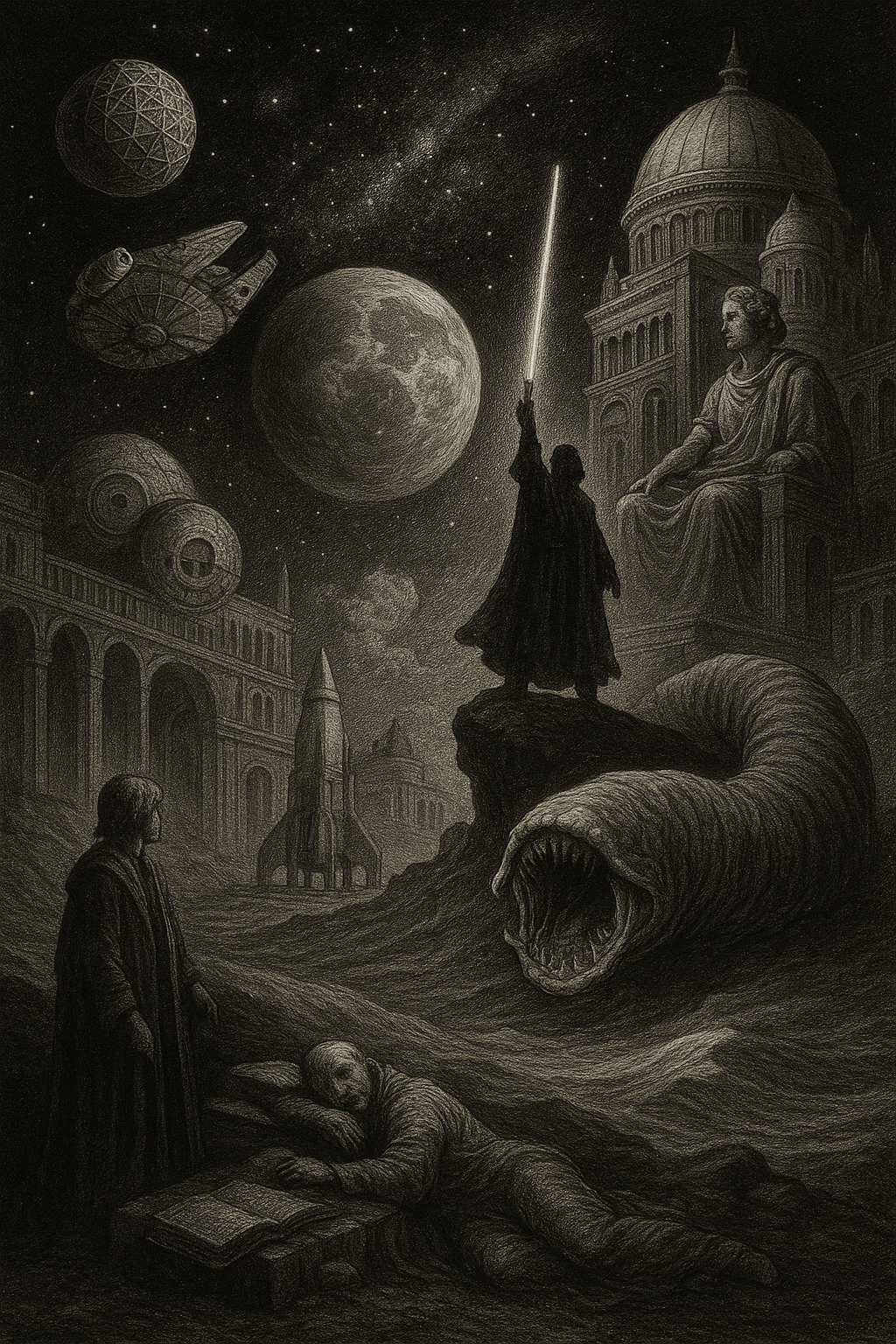
Butlerian Jihad, Orange-Catholic Bible, Great Convention, Planetary Ecology, Zen-Sunni religion, Mentat, Prescience, Golden Path, Spice ... Actors:
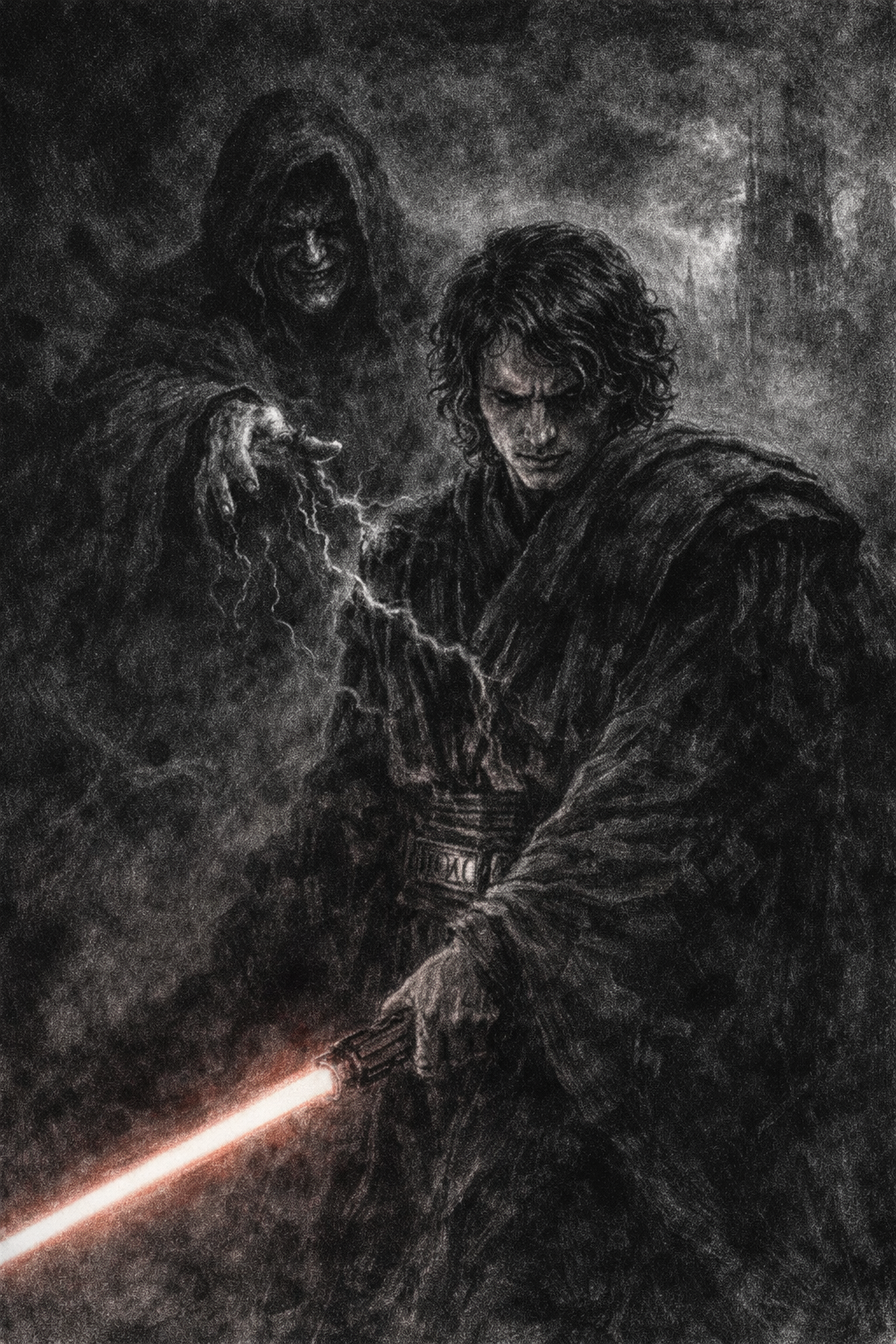
Emperor (House Corrino) - its might based on its ruthless military (Sardaukars)
Landsraad
Combine Honnete Ober Advancer Mercantiles (CHOAM)
The Guild
Fremens (an undefined variable)
Ixians (Mechanists of a sort) and Tleilaxu (Shapers of a sort)
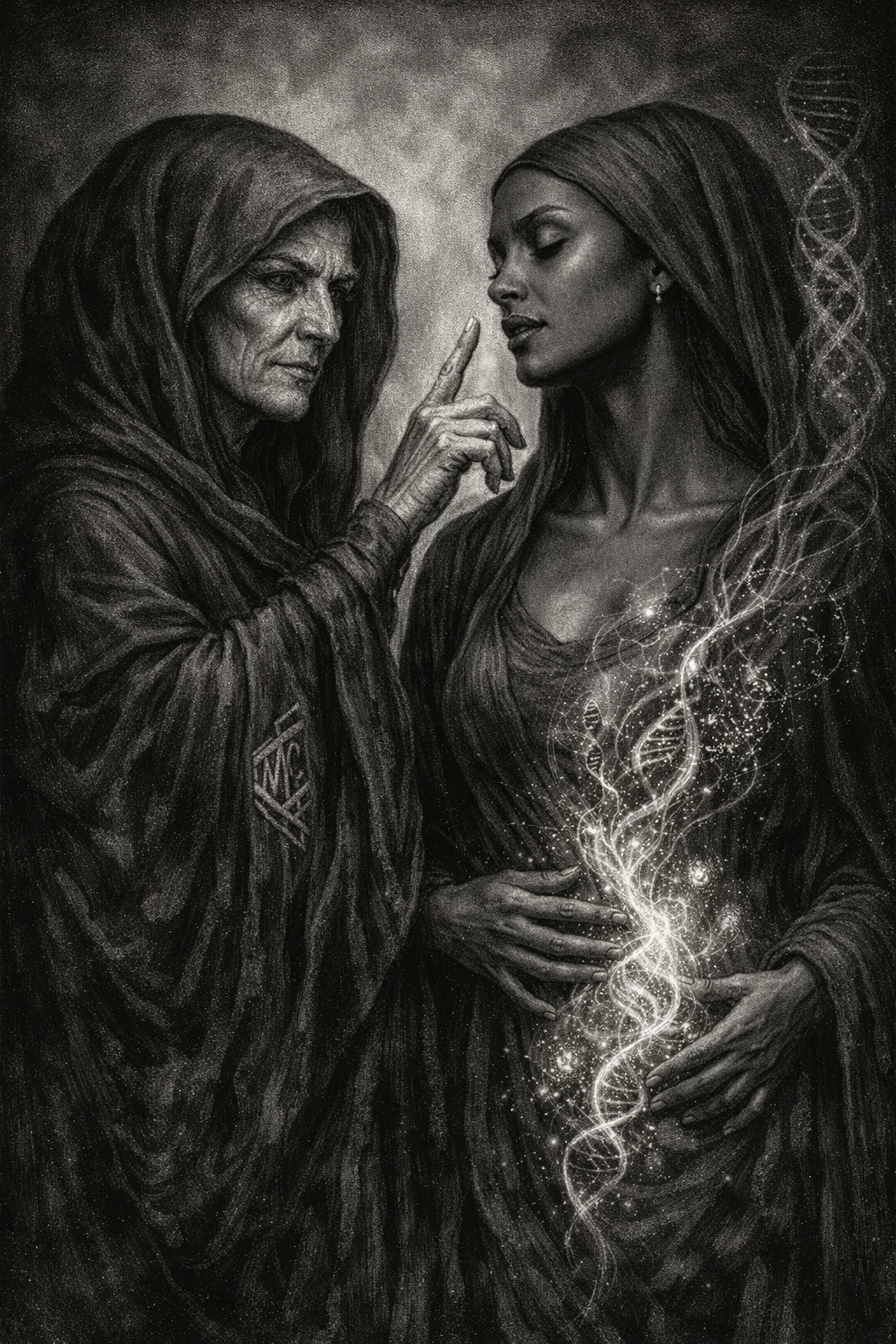
Reverend Mothers Truthsayers Tertius Eileen Anteac (left) and Marcus Claire Luyseyal (right)
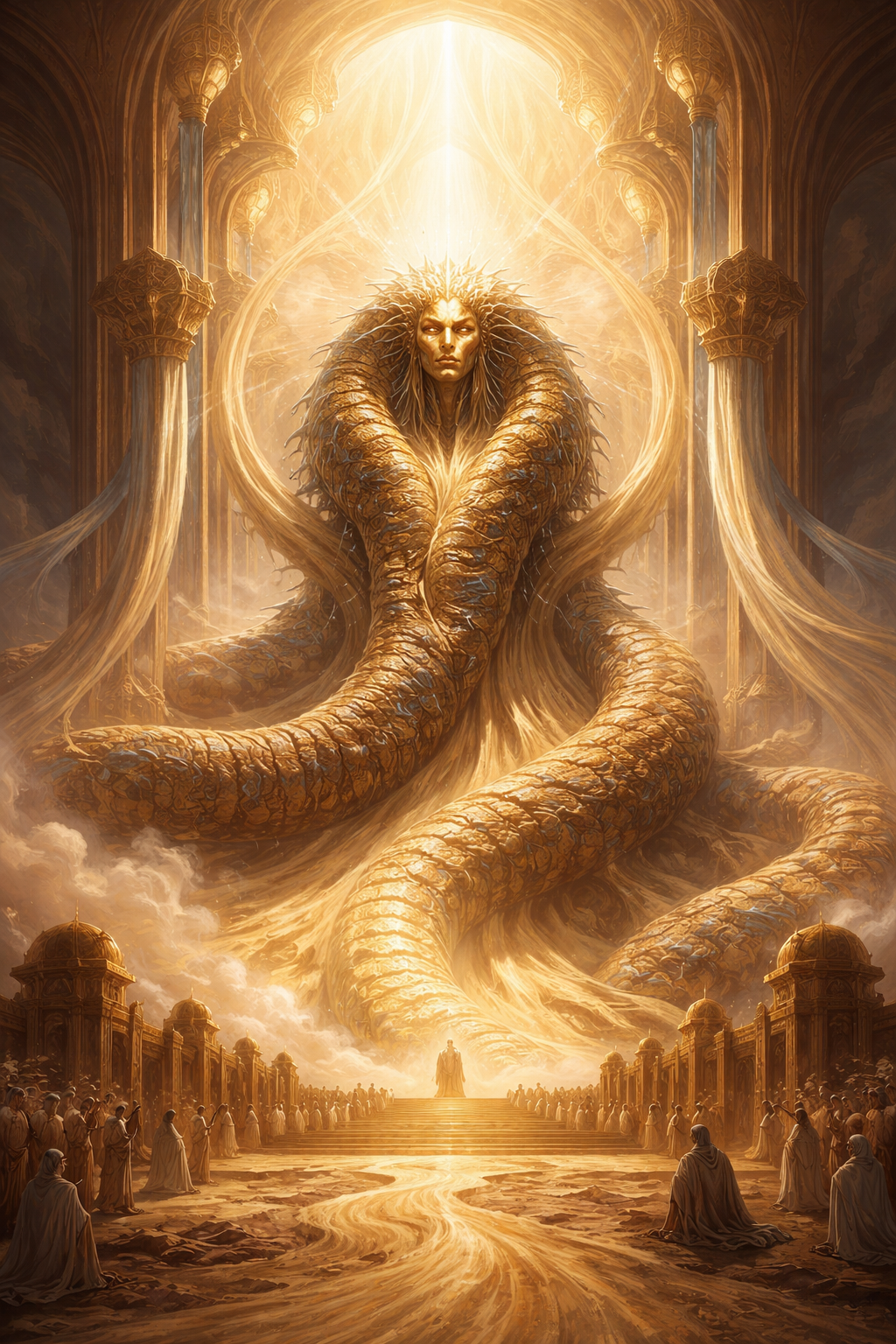
The Custodian of the Golden Path
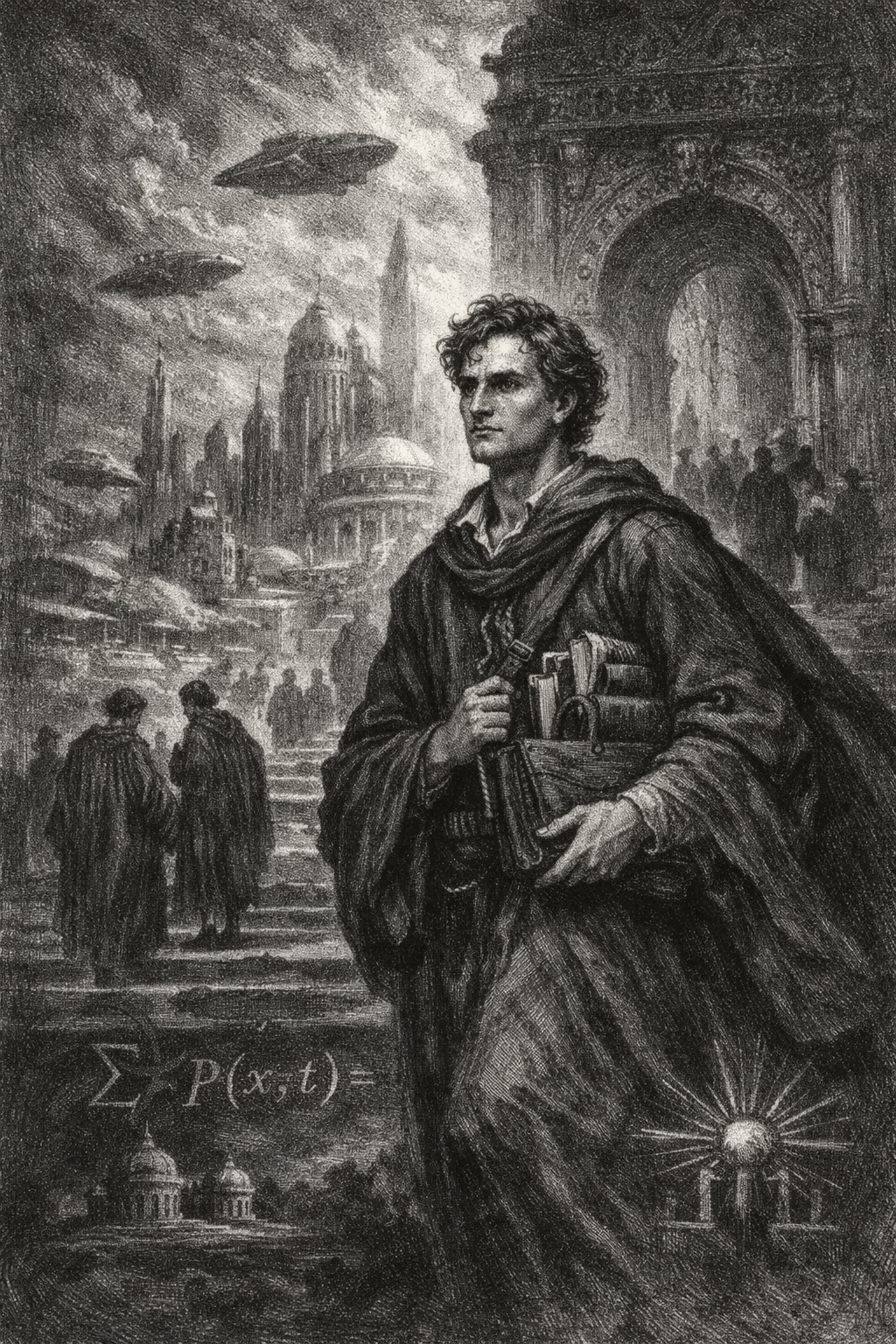
Young academic Hari Seldon arrives at Streeling University @ Trantor.
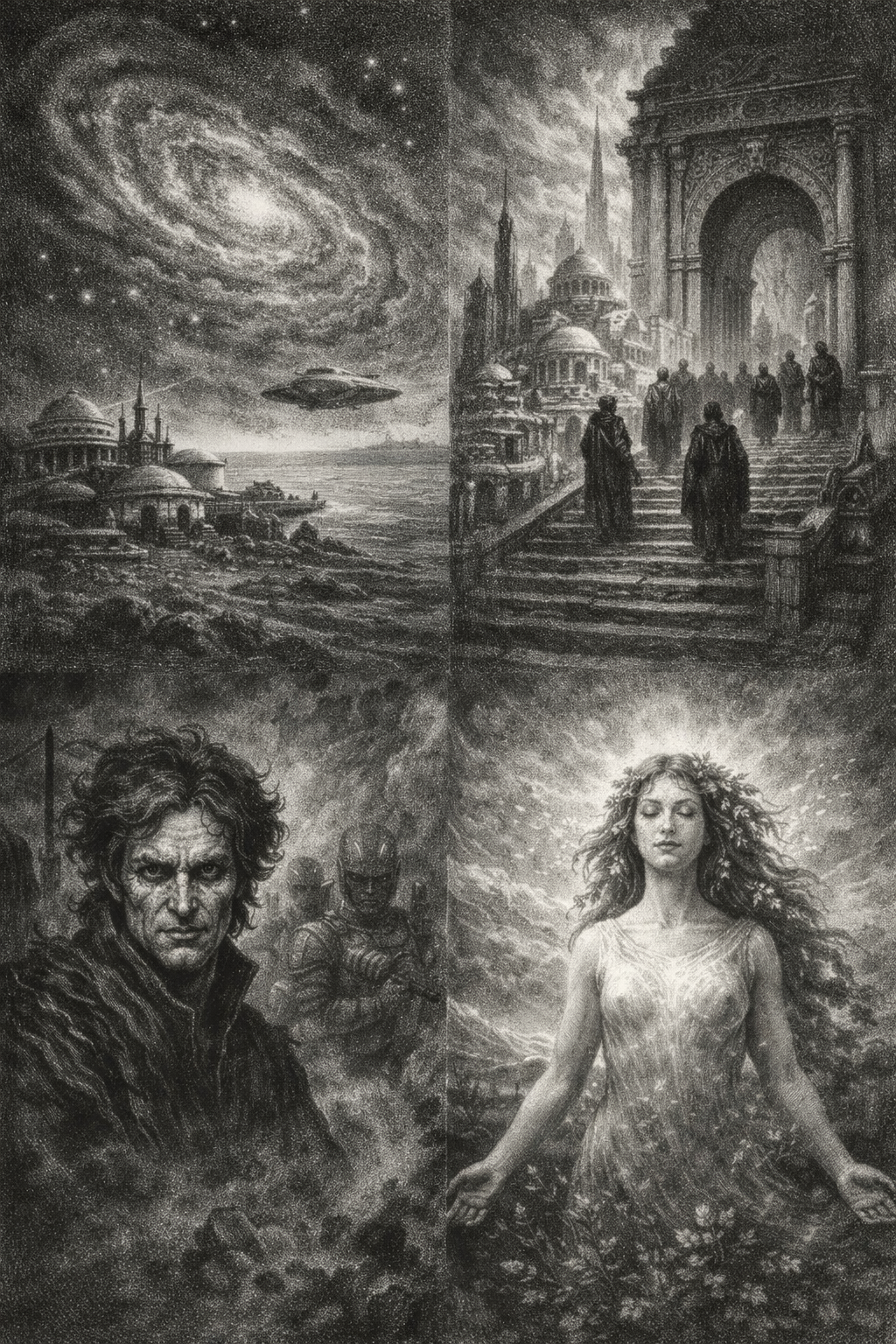
Two Foundations, The Mule & Gaia.
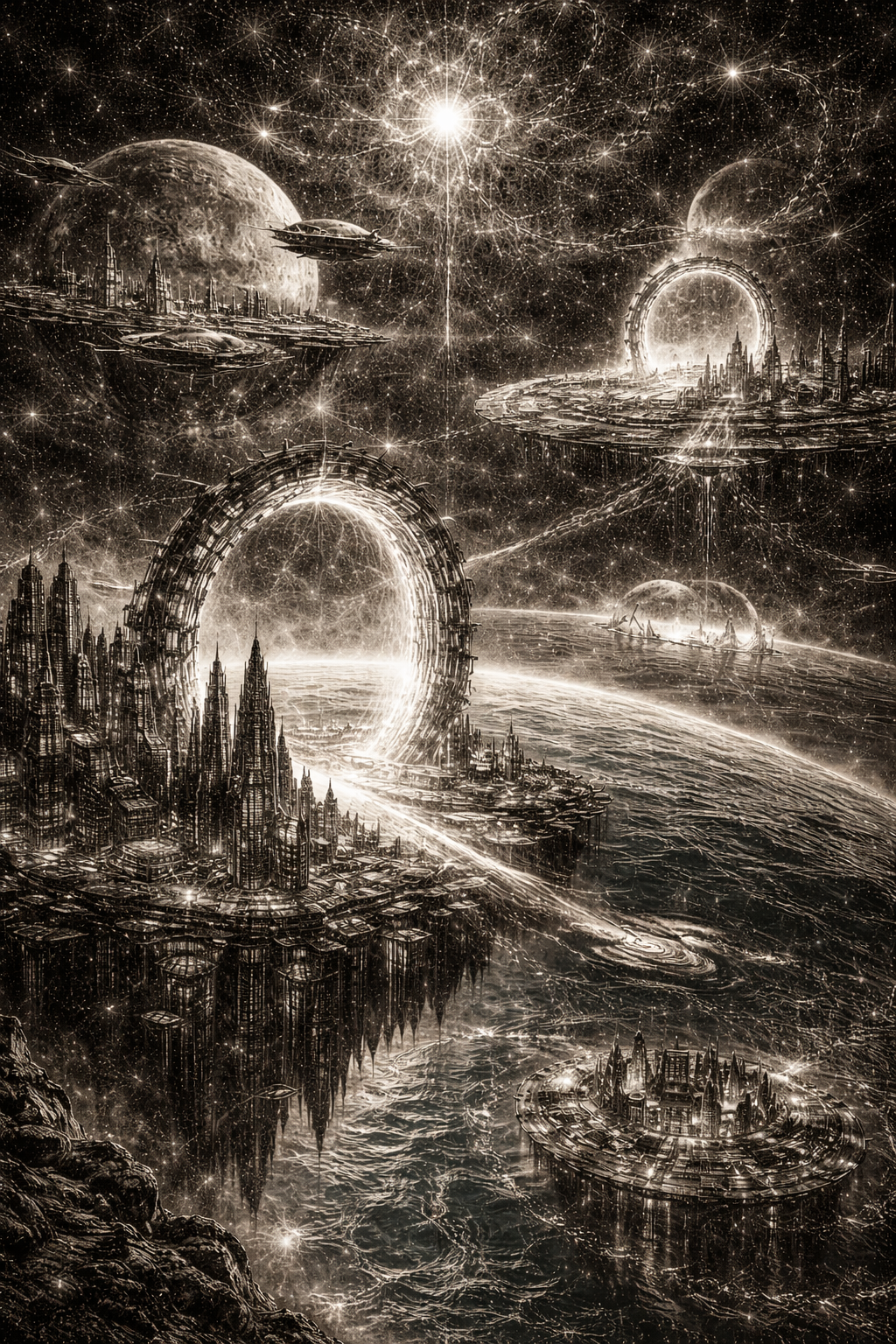
establish one Foundation at the outskirts of the known Universe (Terminus)
1st Foundation 's Power base: trade, engineering, industry, diplomacy
establish the "hidden" meta-controling Foundation at the Star's End (actually University itself ;)
2nd Foundation's Power base: psychology, statistics, mental abilities
Gaia ...
The Plan is a direct application and extension of Olivaw/Demerezel's "minimalist program" defined as follows: "intervene as little as possible, but exactly when necessary, to keep history on track".
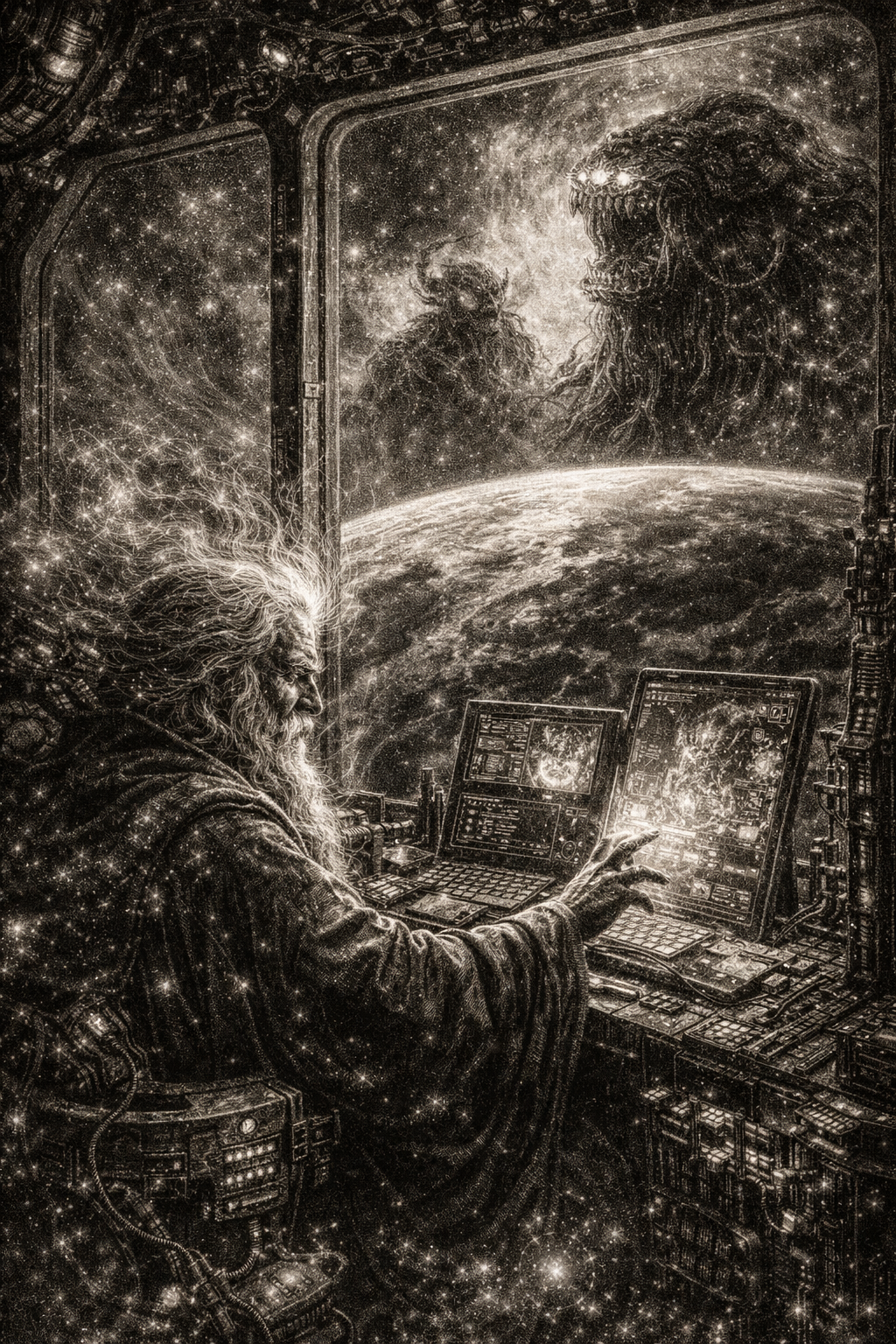
Prospero, the wizard-king from Shakespeare's Tempest reactivated as the avatar-of-the-noosphere behind the terminal on a Lagrange-point colony, checking that all is fine down on earth and both Caliban as well as Sethebos are kept at bay.
Dan Simmons (b. 1947) is one of science fiction’s great masters of intertextuality.
Following the four-book Hyperion Cantos (Hyperion, The Fall of Hyperion, Endymion, The Rise of Endymion), Simmons turns in Illium and Olympos to an even more radical literary experiment.
Drawing on William Shakespeare (from sonnets to The Tempest), Marcel Proust (À la recherche du temps perdu), Vladimir Nabokov (Ada), and the Iliad, the Illium–Olympos diptych does not merely reference classical texts — it reactivates them, pulling ancient Muses out of literature and into the reader’s present reality.
Through quantum technologies, parallel universes, temporal loops, and posthuman intelligences, Simmons performs narrative ingression par excellence: literature crossing its own boundary, entering history, physics, and consciousness itself.
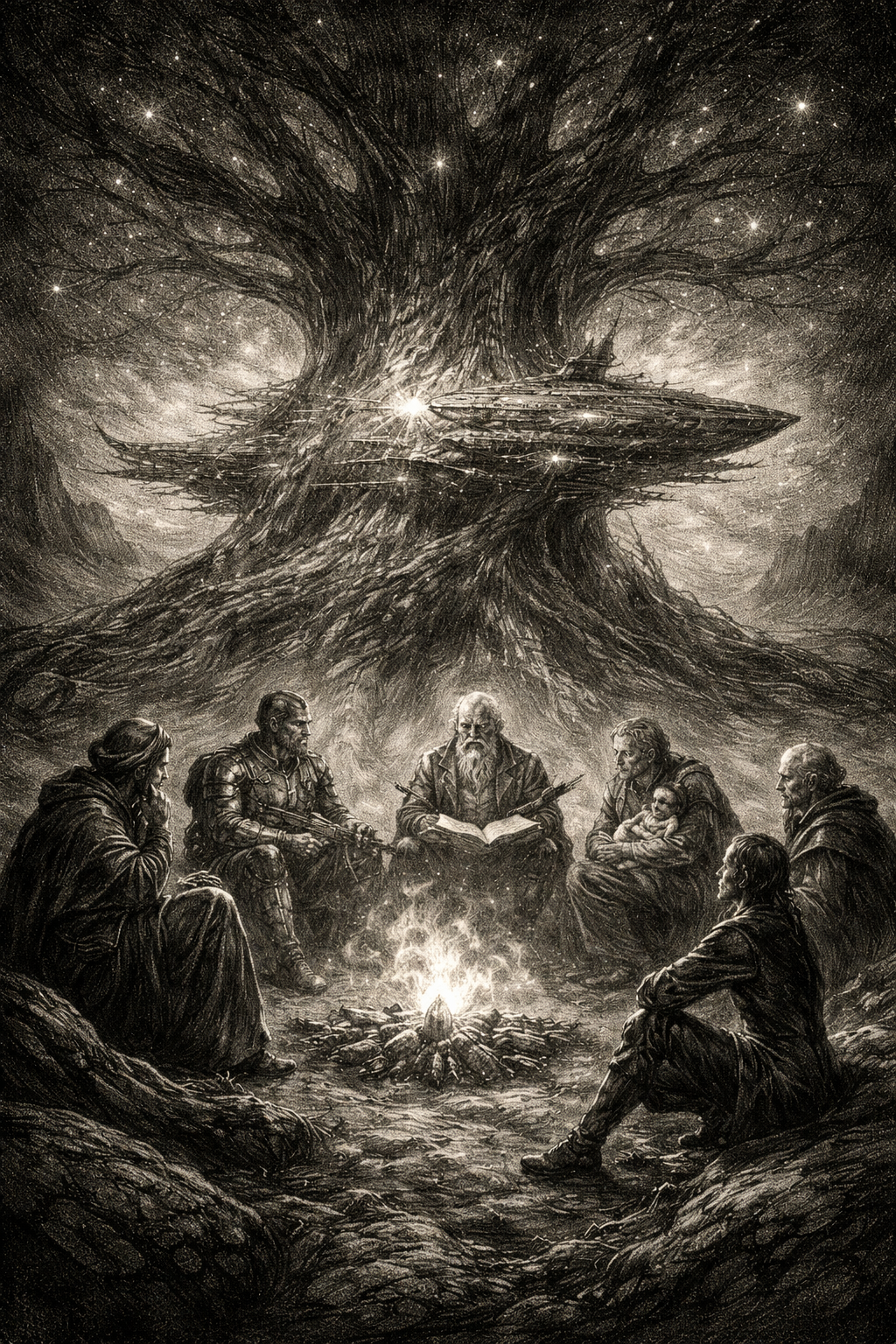
Martin Silenus (The Poet) — Homer archetype: epic-maker, obscene bard, immortality via art.
Paul Duré (The Priest) — Teilhard de Chardin archetype: faith, suffering, “cosmic” theology.
Fedmahn Kassad (The Soldier) — Achilles archetype: warrior-fate, eroticized violence.
Sol Weintraub (The Scholar) — Abraham archetype: father tested by impossible sacrifice.
Brawne Lamia (The Detective) — Orpheus archetype: love descending into the underworld.
The Consul — Aeneas archetype: exile, duty, tragic founding of futures.
Het Masteen (The Templar) — Hermit (Tarot) archetype: withdrawal, ecological mysticism, otherness.
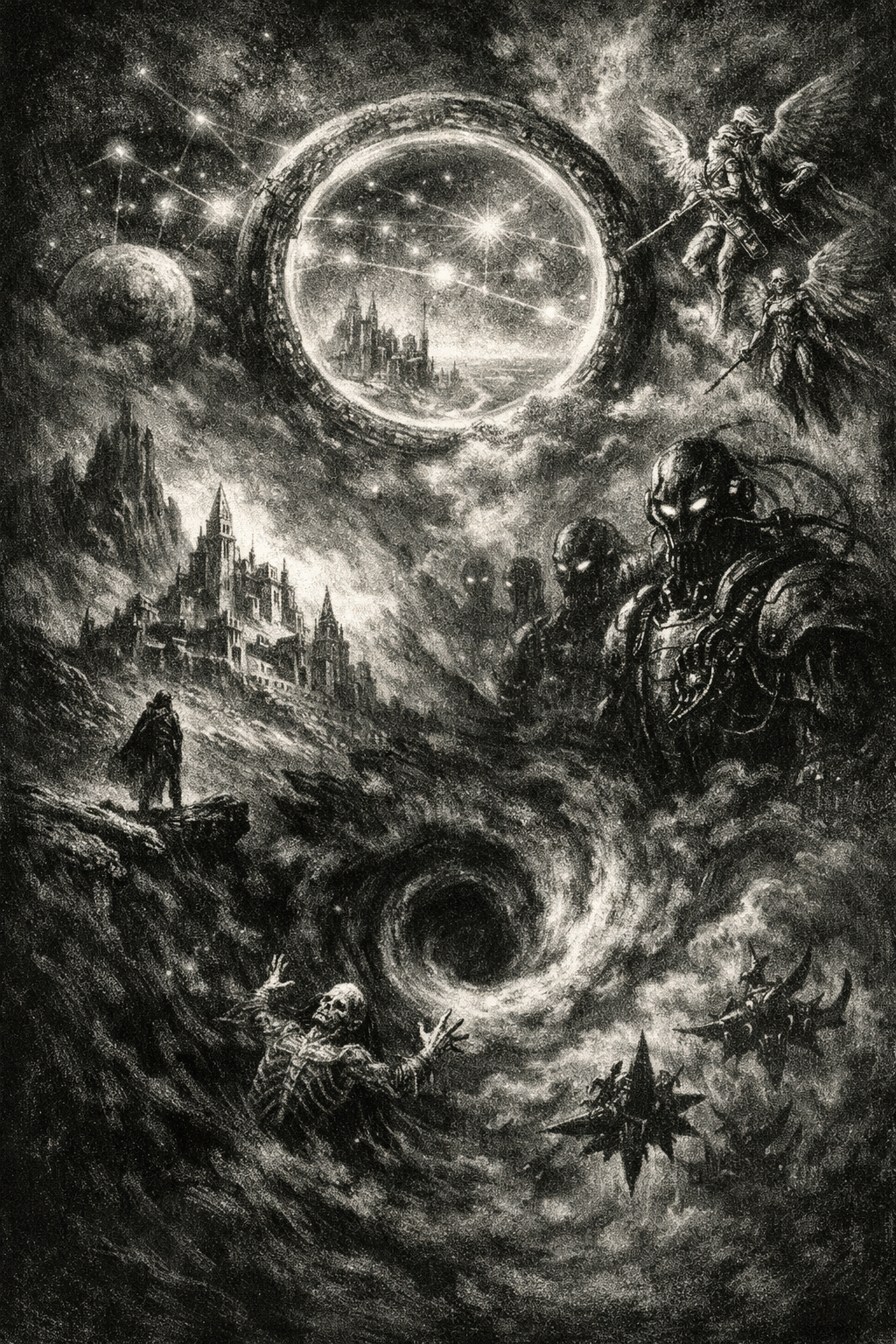
Stables — conservative AIs, understanding the importance of Humanity and organic Life, they preserve the status quo.
Volatiles — descendants of Old Earth military-industrial complex AIs, Volatiles push for rapid evolution and consider humanity as an "unpredictable" risiko to be eradicated.
Ultimates — AIs pursuing the Ultimate Intelligence beyond spacetime. Operating primarily within the realm of Void-that-Binds, nobody has clue what Ultimates are ultimately (sic!) up to 😇
The oldest and the only explicitly named Technocore intelligence; a philosopher-AI who speaks in Zen koans (“kwatz!”), carries the name Ummon.